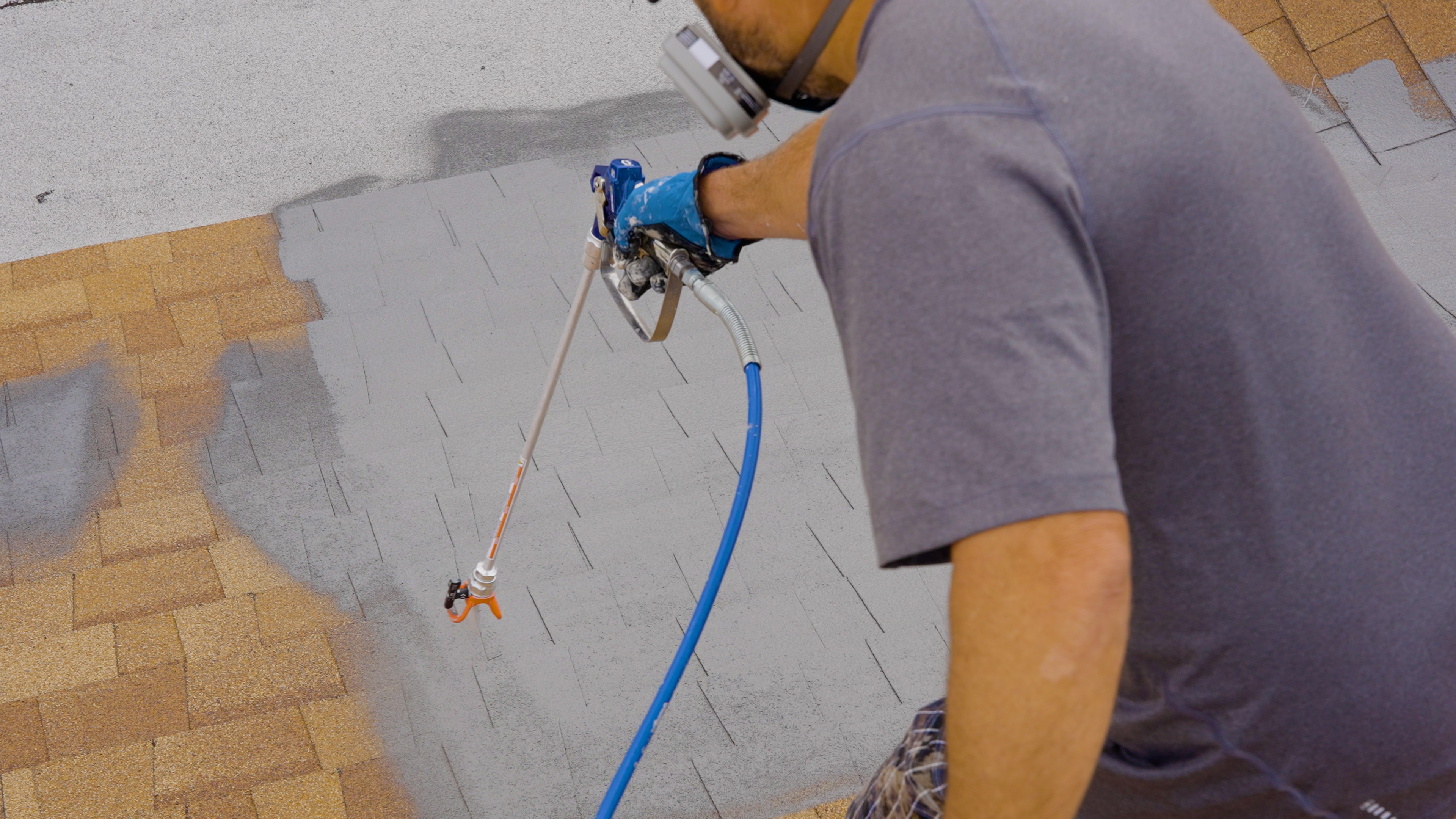
Your roof moves. Your coating should too.
Stretchy, rubber-like coating that moves with your roof. Seals cracks and prevents leaks through Florida's temperature swings.
What is elastomeric coating?
Elastomeric roof coating is a thick, rubber-like membrane that stretches and contracts with your roof as temperatures change. Florida roofs expand in the 95°F afternoon sun and contract overnight — rigid coatings crack under that stress. Elastomeric coatings flex with those movements, sealing existing cracks and preventing new ones from forming. Applied by our crew and backed by Nationwide Products.
Why Thermal Movement Matters for Florida Roofs
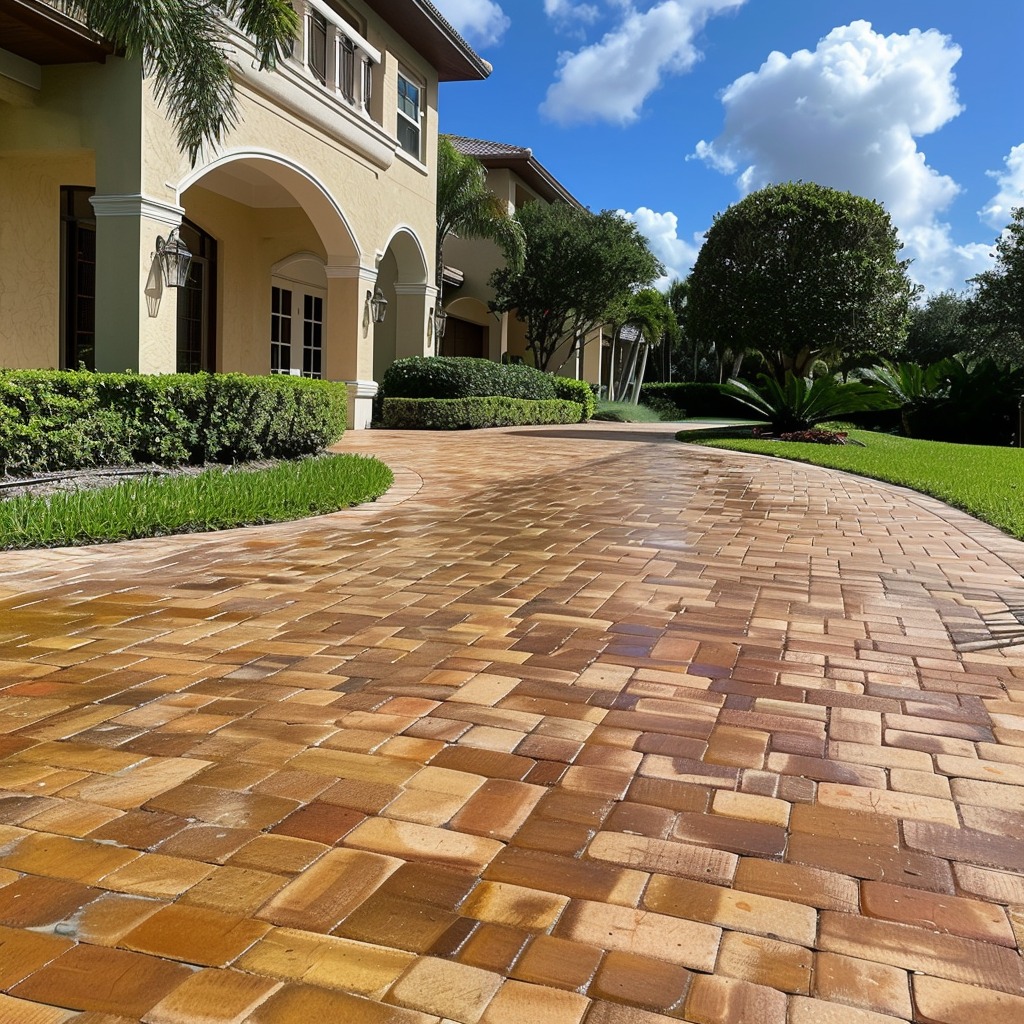
Every roof in Florida experiences significant thermal movement — the physical expansion and contraction caused by temperature changes throughout the day. On a summer afternoon, your roof surface can reach 160°F or higher. By 3:00 AM, that same surface may have cooled to 75°F. That's an 85-degree swing in a single day, and it happens 200+ days per year.
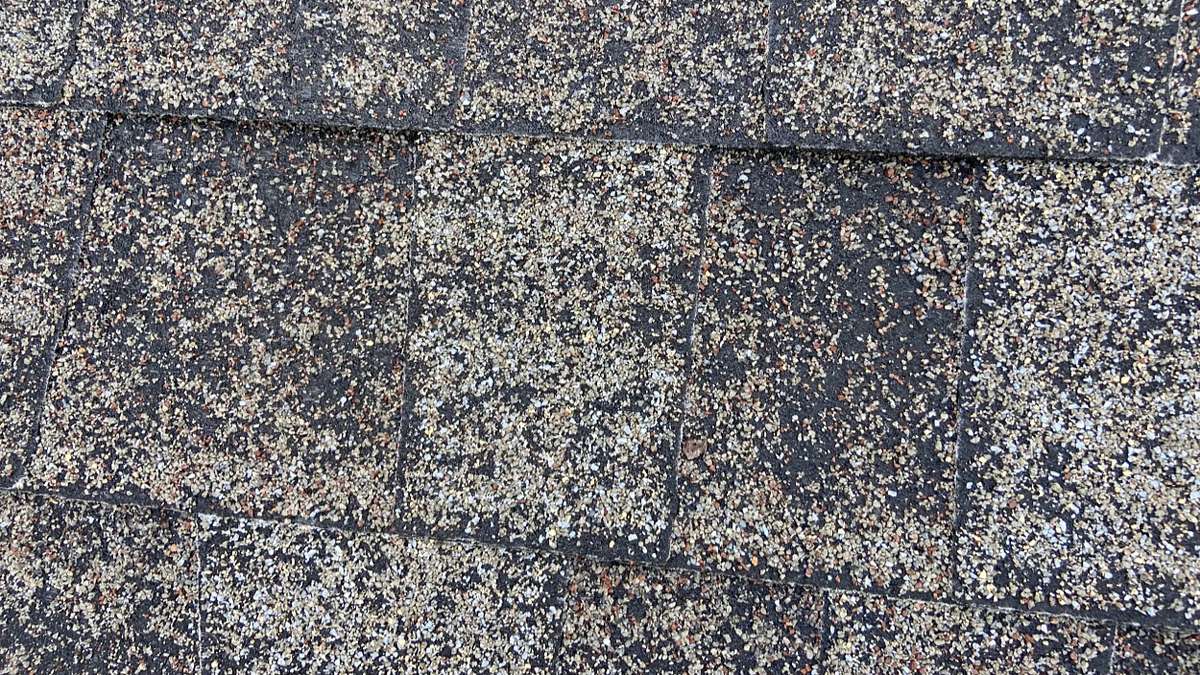
This constant expansion and contraction puts enormous stress on rigid materials. Traditional coatings, sealants, and even the roof substrate itself can crack under this mechanical stress. Those cracks start small — hairline fractures that are invisible from the ground — but they grow with each thermal cycle. Eventually, they become leak paths.
Elastomeric coating is specifically engineered to handle this reality. With 300% stretch capacity, it absorbs thermal movement without cracking. When the roof expands in afternoon heat, the coating stretches with it. When it contracts overnight, the coating rebounds. This continuous flexibility is what makes elastomeric coatings last 15+ years in Florida — they work with the roof's natural movement instead of fighting it.
This is especially important for older roofs where small cracks have already formed. Elastomeric coating doesn't just cover those cracks — it bridges them, creating a continuous waterproof membrane over the damaged area that flexes with future movement.
When Elastomeric Is the Right Choice
We offer multiple coating types because no single product is perfect for every roof. Elastomeric coating is the right choice in specific situations:
If your roof has existing hairline cracks — whether from thermal cycling, building settlement, or age — elastomeric's crack-bridging ability makes it the strongest option. The thick, rubber-like membrane spans those cracks and prevents them from becoming leak paths.
If your roof substrate experiences significant thermal movement — concrete decks, metal panels at seams, or older built-up roofing systems — elastomeric's 300% stretch capacity handles that movement where rigid coatings would fail.
If your roof has good drainage but needs a heavy-duty protective membrane — situations where standard acrylic might be too thin for the level of protection needed — elastomeric's thicker application provides the durability required.
For flat roofs with ponding water, silicone is still the better choice. For roofs that just need UV reflectivity and basic protection with good drainage, acrylic is more cost-effective. Our free inspection evaluates your roof's specific conditions and recommends the right product — not the most expensive one.
Why choose elastomeric coating?
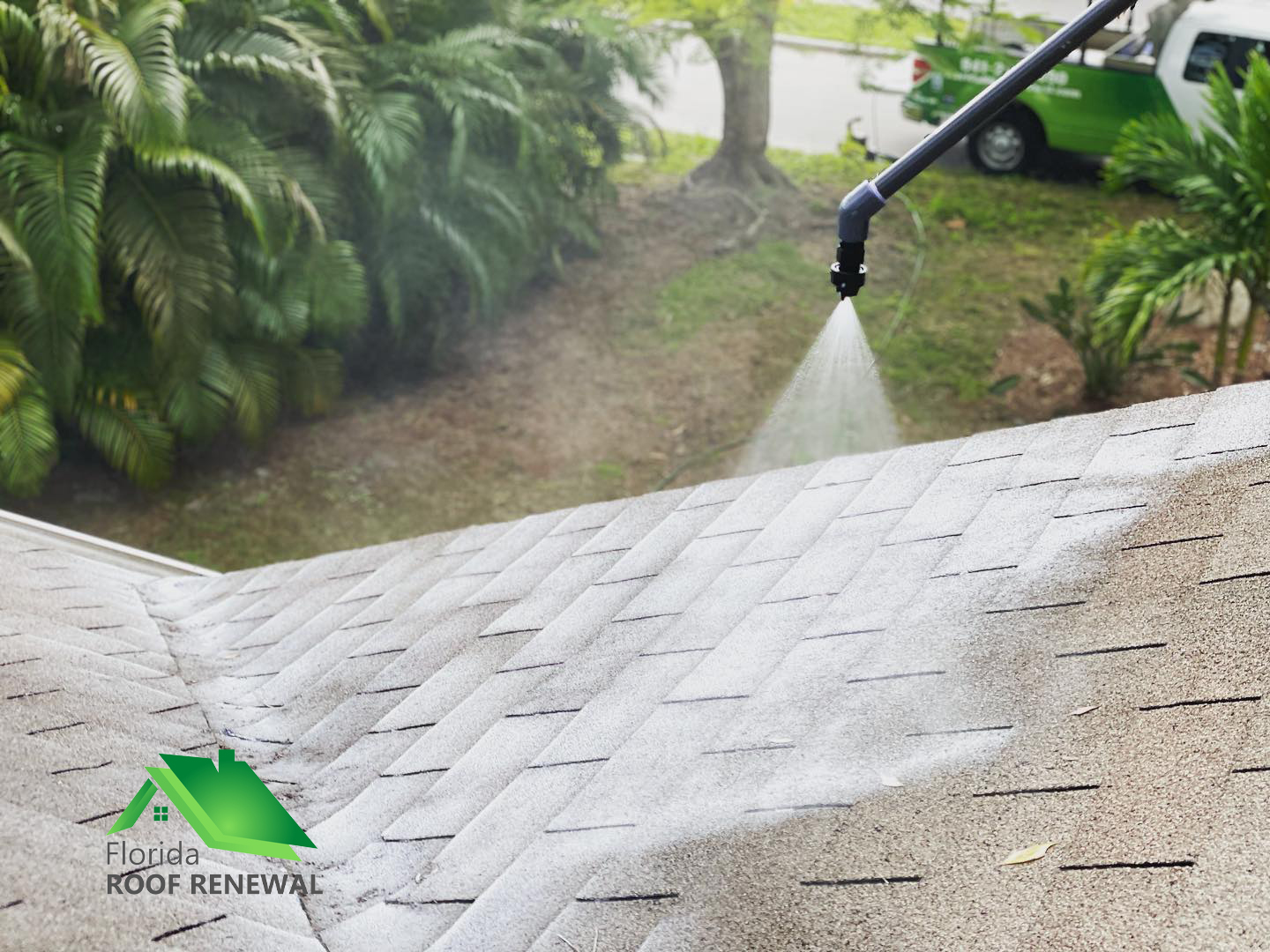
Here's what sets our elastomeric coating service apart.
Extreme flexibility
Stretches up to 300% without tearing. Moves with your roof through daily and seasonal heat cycles instead of fighting them.
Crack-bridging ability
Fills and seals existing hairline cracks in your roof surface, stopping leaks before they start and preventing crack propagation.
Reflective protection
Light-colored finish reflects UV and heat, reducing interior cooling loads while protecting the substrate from solar degradation.
Long-lasting durability
Thick application resists weathering, foot traffic, and the mechanical wear that comes from Florida's punishing climate cycle.
How it works
Our simple, transparent process from start to finish.
Assessment
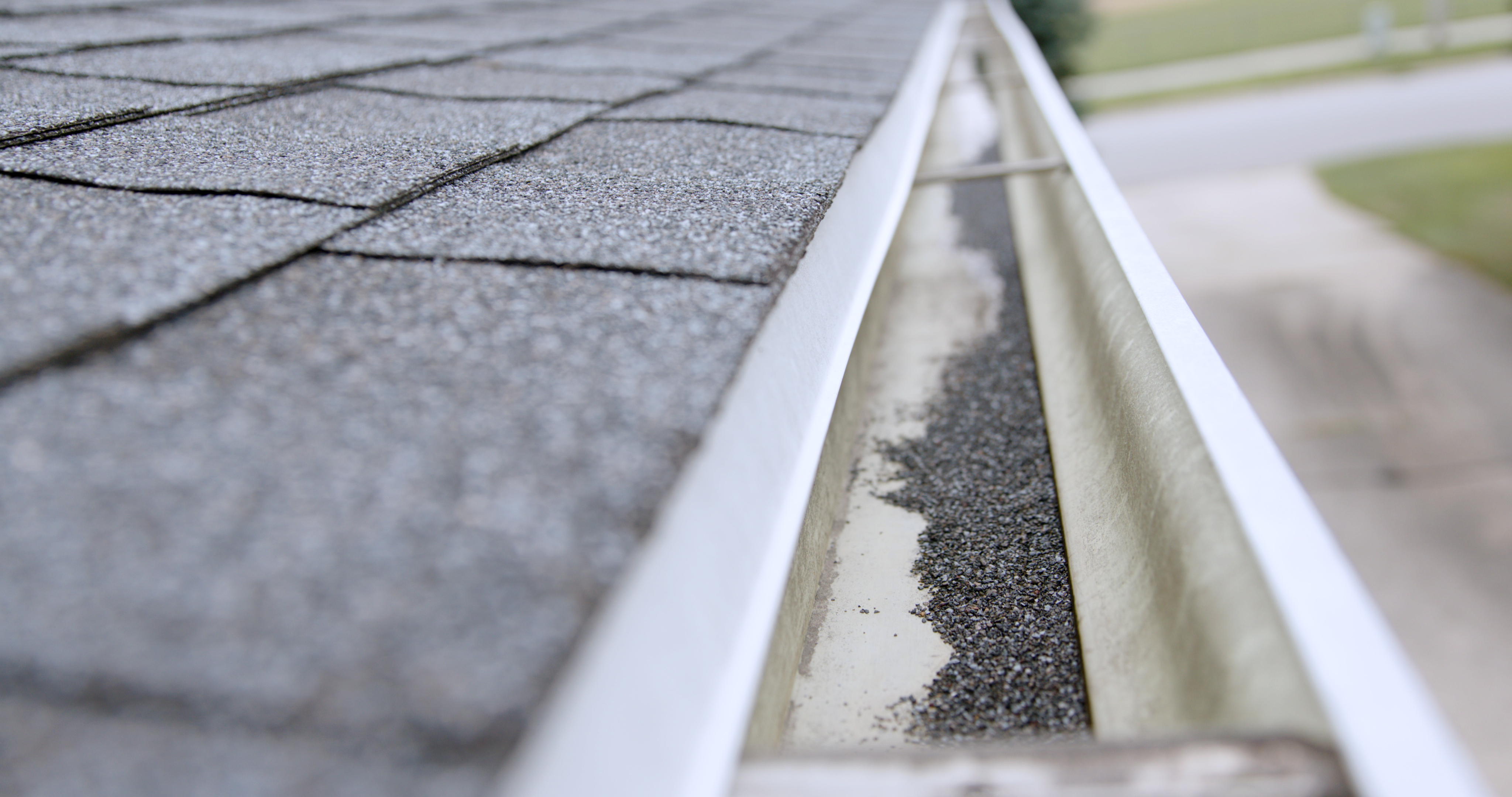
We check for cracks, membrane condition, substrate adhesion, and structural issues to confirm elastomeric coating is the right solution for your specific roof. Not every roof needs this level of flexibility — we tell you if a different coating would serve you better.
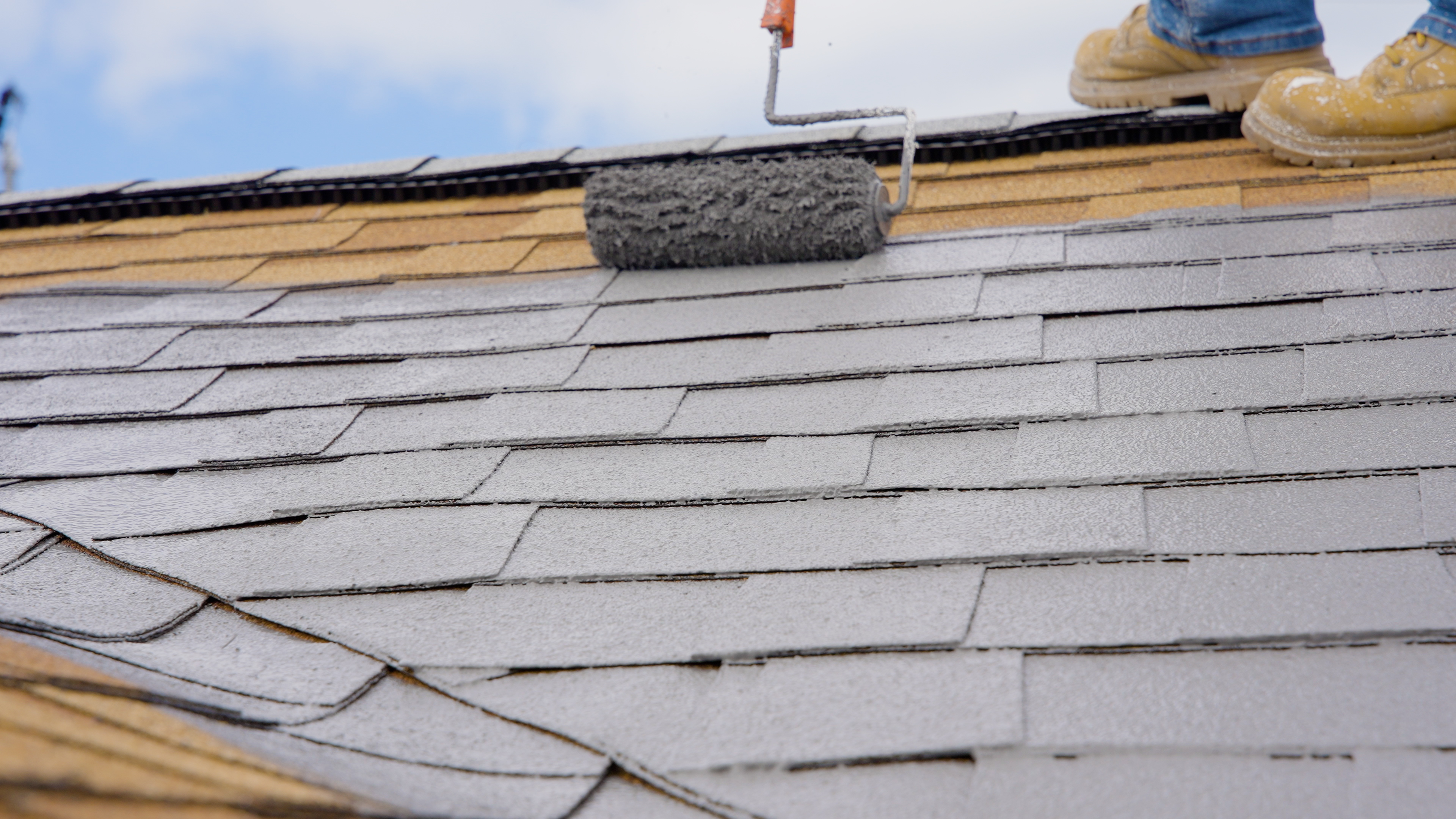
Surface Prep & Coating
We clean, prime, and apply the elastomeric coating in thick, even passes for maximum protection. The product is applied at a heavier mil thickness than standard coatings, building a durable rubber-like membrane that can handle extreme thermal movement.
Quality Check
We verify coverage, thickness, adhesion, and elasticity across the entire surface. All flashings and penetrations are inspected. You receive complete documentation for your records.
Technical Specifications
The details that matter — for homeowners and professionals alike.
Is this right for you?
This service is ideal for:
- Roofs with existing hairline cracks from thermal cycling
- Concrete or masonry roof decks that experience significant thermal movement
- Older built-up roofing (BUR) systems needing restoration
- Metal roofs at seams where thermal expansion stress is concentrated
- Any roof where heavy-duty, flexible protection is needed
Why not just replace?
Elastomeric coating restores a waterproof, flexible barrier over your existing roof at a fraction of the cost and disruption of a full tear-off and replacement. For roofs with cracking and thermal stress — but sound structural integrity — coating is the practical, cost-effective solution that extends your roof's life by 15+ years.
Local to Southwest Florida
Florida's daily temperature swings put extraordinary thermal stress on roofing materials. In Sarasota County, where afternoon temperatures routinely exceed 95°F from May through October, elastomeric coatings provide the flexibility needed to handle this stress without cracking — a problem we see constantly on older roofs throughout the region.
See Our Work
Real photos from real jobs across Southwest Florida.
Common Questions
Got questions? Here are the answers to the most common ones.
Elastomeric excels at flexibility and crack-bridging — ideal for roofs that experience significant thermal movement. Silicone is better for flat roofs with standing water. We recommend the right product based on your roof's specific conditions.
In most cases, yes — as long as the existing surface is properly prepped and in reasonable condition. We verify adhesion compatibility during our free inspection.
Thickness is what gives elastomeric coatings their flexibility and crack-bridging ability. A thicker application creates a more durable, more elastic membrane that better handles thermal stress.
15+ years with proper application. The rubber-like membrane resists UV, thermal cycling, and weathering better than thinner coatings.
Ready to protect your roof?
Get a free assessment and quote for elastomeric coating. Same-week availability, no pressure.
Licensed • Insured • 5-Star Rated